A sustainable home should save energy and stay comfortable at the same time
A sustainable home is not defined only by installing energy-saving devices. It begins with fundamental design decisions that understand climate, sun direction, wind, heat, and the real lifestyle of the people living in the home.
In Thailand, homes must deal with hot weather for most of the year. If heat is not considered from the beginning, the home may use more energy than necessary, especially through longer air-conditioning hours, increased lighting use, or additional equipment added later to solve problems caused by poor planning.
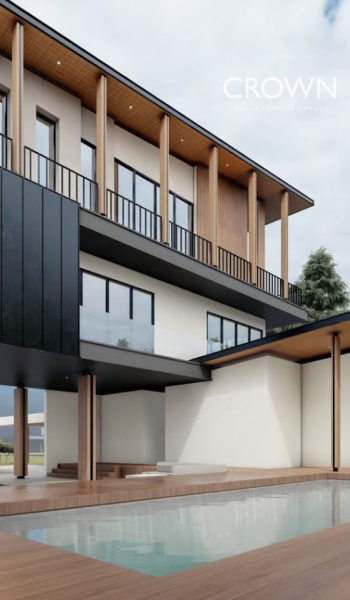
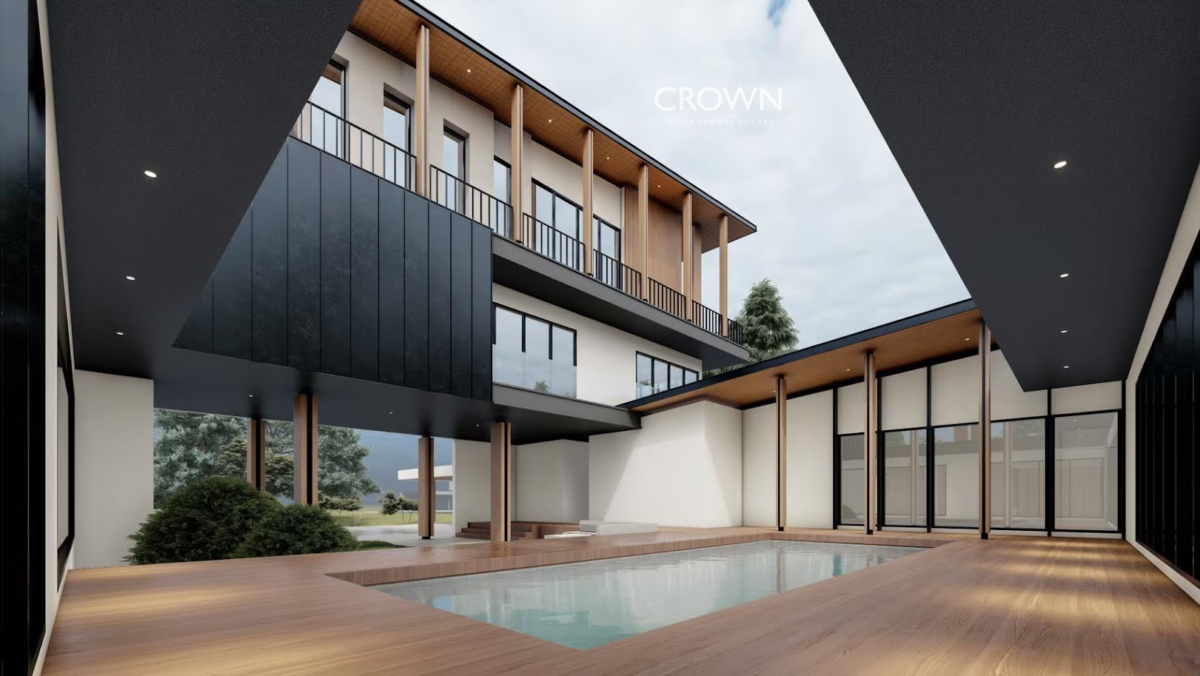
Sustainable Design & Energy Efficiency focuses on reducing the burden of the home from the design stage. This includes orienting the building to reduce harsh sunlight, designing roofs and walls to reduce heat gain, using shading devices where necessary, choosing materials suitable for hot climates, and designing openings that allow real ventilation.
A well-designed home helps residents feel more comfortable without relying on energy all the time. It can also reduce long-term costs in a practical and measurable way.
Design details to consider
1. Orientation and sunlight
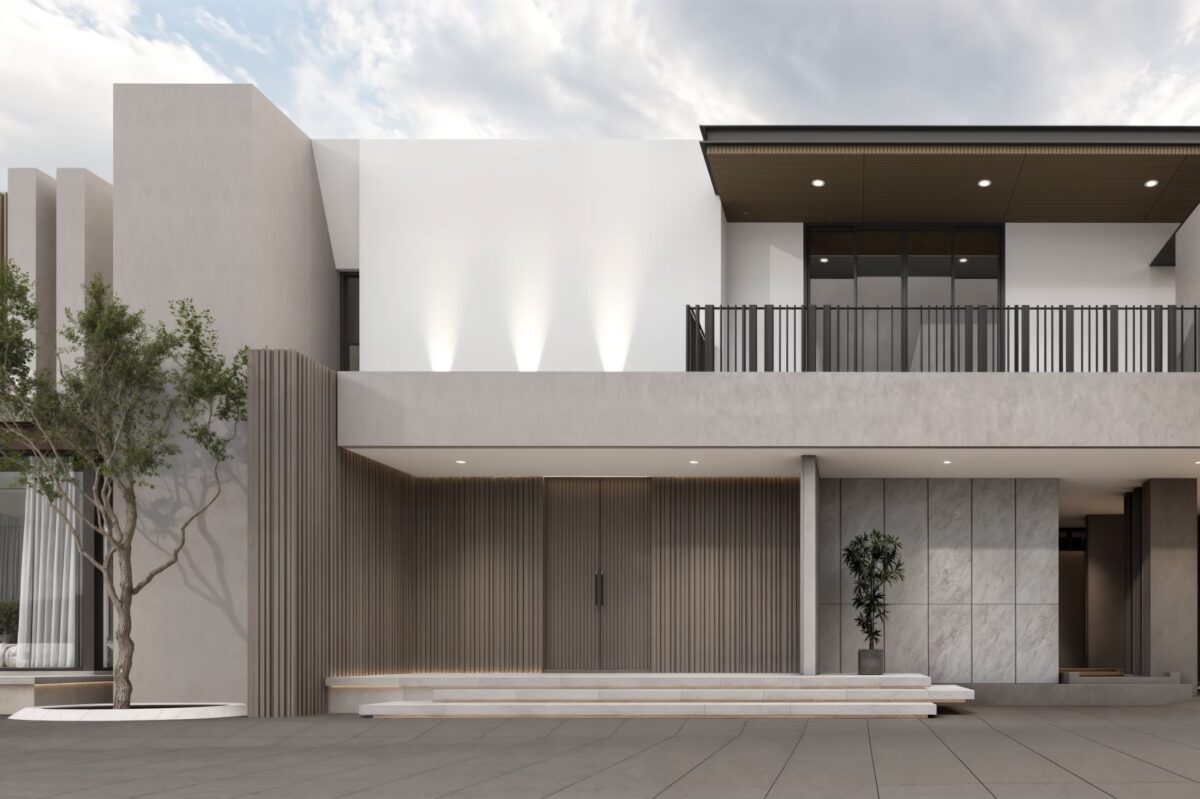
It is important to study which sides of the home receive the strongest sunlight, especially afternoon sun that can heat up walls and rooms. Living rooms, bedrooms, and workspaces should avoid overly hot positions or include proper protection.
If a home is not oriented according to sun exposure, important spaces may become hot during the exact times they are used most. This increases dependence on air conditioning. Good design should place rooms and openings according to the site conditions from the beginning.
2. Roof and insulation
The roof is one of the main parts of the house that receives heat. Roof material, insulation, and heat ventilation beneath the roof can significantly reduce indoor temperature.
A home that manages roof heat well can reduce the load on air conditioning and make interior spaces more comfortable, especially upper floors or rooms directly beneath the roof.
3. Openings and ventilation
Windows should not be designed for appearance alone. They should relate to wind direction and real use. Proper openings allow air to flow through the home, reduce stuffiness, and make the space feel more open.
Good ventilation helps prevent heat and humidity from accumulating. However, it must be designed with control. Too many openings, or openings in the wrong places, may bring in heat, dust, or noise.
4. Natural light and energy saving
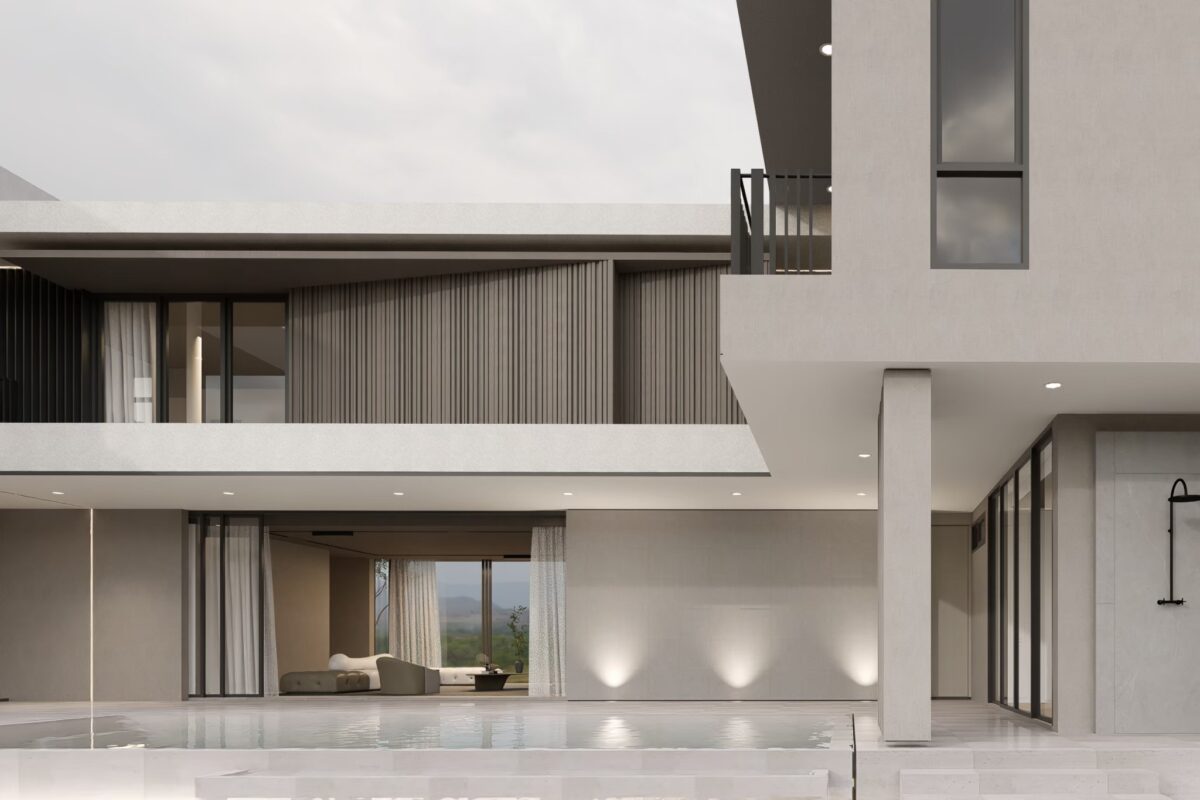
Natural light can reduce daytime lighting use, but it must be controlled so that it does not become unwanted heat. Skylights, shading, and suitable glass selection are important.
Good daylight should make the home bright enough without making living areas hot or uncomfortable. Well-placed daylight can improve energy efficiency without reducing comfort.
5. Durable and easy-to-maintain materials
Sustainability is not only about saving energy. It also includes choosing materials that last longer, reduce repairs, and do not create excessive maintenance burden.
Materials that suit the climate and location of use help extend the lifespan of the home, reduce frequent replacement, and maintain quality over time.
Conclusion
Sustainable Design & Energy Efficiency is about designing a home that uses energy intelligently, stays comfortable, and reduces long-term costs. A sustainable home should be good for the people living in it, good for energy performance, and practical for future use.