A valuable home should live well, function well, and remain practical over time
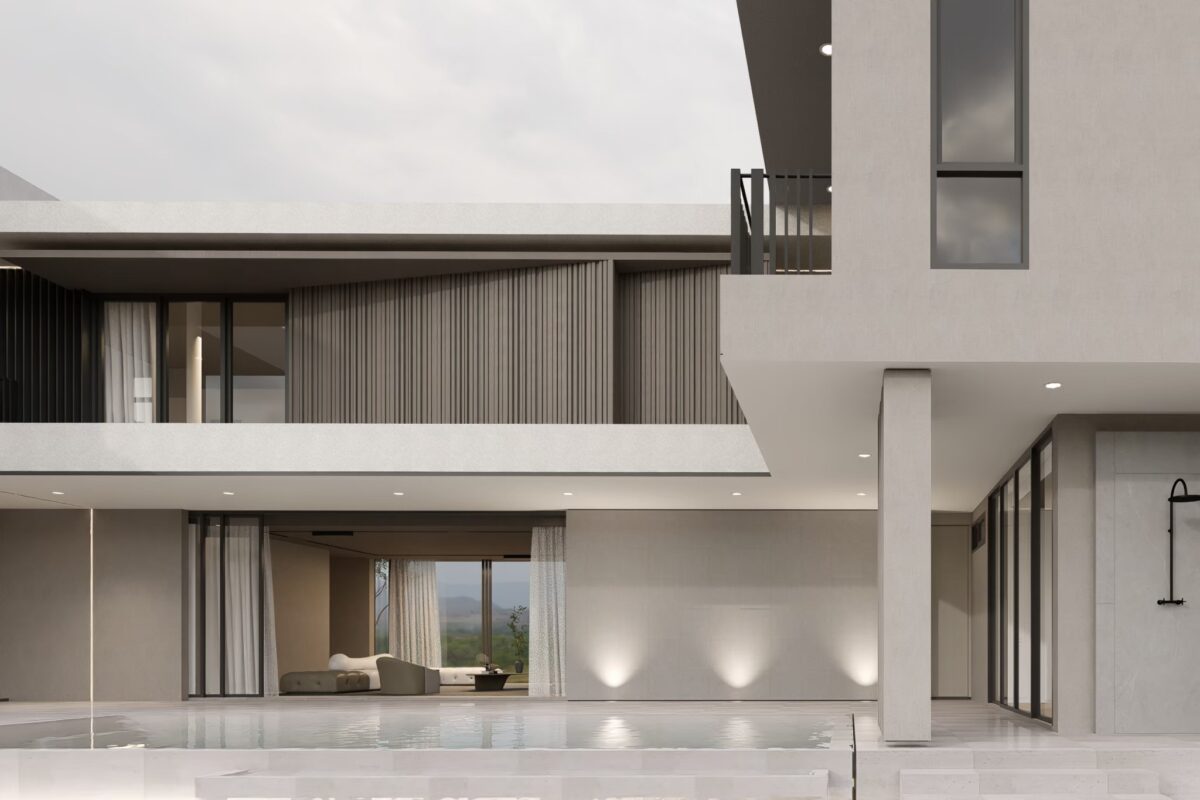
A good home should not be judged only on the day it is completed or when it looks best in photographs. It should be considered through the lens of real daily living, because a home is a place people use, maintain, repair, and adapt as family life changes over time.
Smart Value Living is about designing every area of the home to have real functional value. It is not simply about having more space, but about creating spaces that work well, feel comfortable, and respond to the actual behavior of the people living there. A living room should be placed where it can be used comfortably throughout the day. A bedroom should support rest with calmness and suitable temperature. A workspace should have balanced light, and storage should be planned according to real routines.
The value of a home is not only about reducing construction cost. It is about investing in the right areas from the beginning. Elements such as structure, electrical systems, plumbing, orientation, ventilation, and materials in key spaces have a greater long-term impact on living quality than decoration alone.
A home designed with this mindset can reduce many problems that often require correction later, such as rooms that become too hot, insufficient usable space, poorly timed daylight, difficult maintenance, or areas that look good on plan but are rarely used in real life.
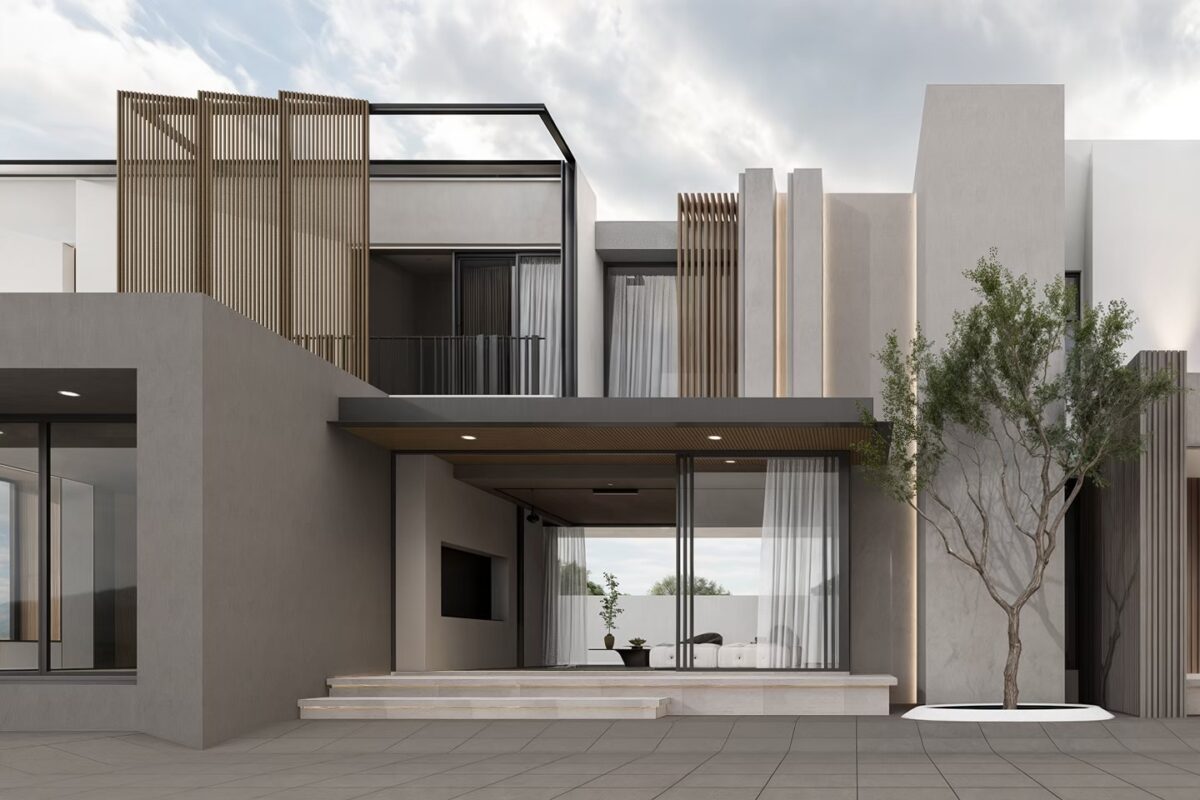
Design details to consider
1. Plan the layout around real life
Before design begins, it is important to understand how the people in the home actually live. Who stays home at what time? Which areas are used most often? What are the family’s main activities? A home for a family with young children will have different priorities from a home for a couple or a household where someone regularly works from home.
A layout based on real life creates a home that works beyond simply having all required rooms. If the family spends a lot of time together in the living room, that space should be comfortable, well-lit, and not too hot. If someone works from home, the house should provide a quiet corner with suitable light and less disturbance from main activity areas.
2. Use space efficiently
A home does not need to be the largest possible. It should use space as effectively as possible. Corridors, storage, laundry areas, and small functional corners should be planned with purpose, so they do not become wasted or difficult-to-maintain areas later.
Poor planning can make a house feel large but function poorly. Long corridors, unused corners, or open areas without clear functions can reduce the real value of the home. A valuable home should allocate space according to lifestyle, not simply increase square footage.
3. Choose materials based on use, not appearance alone
Good materials should suit their location and function. Exterior areas should withstand sun and rain. Interior areas should be easy to clean, less likely to trap dust, and should not require excessive maintenance.
Some materials may look beautiful in samples or renderings, but may not suit the climate or daily use. Wet areas should use slip-resistant and moisture-resistant materials. Heavily used areas should use durable, easy-to-clean surfaces.
4. Consider long-term costs
A home that seems economical during construction may become costly over time if it later requires fixes for heat, dust, humidity, or poorly planned systems.
Investing in important elements from the beginning, such as insulation, well-planned electrical systems, suitable materials, and correctly placed openings, can reduce future repair costs and energy consumption.
5. Design for easier daily living
A good home should make daily routines flow smoothly. The entrance should connect well with storage. The kitchen should relate naturally to the dining area. The laundry area should be practical. Bedrooms should provide enough privacy and calm.
These details may seem small, but they matter greatly in real use. A convenient home reduces everyday effort and makes every space more valuable.
Conclusion
Smart Value Living is about designing a home that is valuable in real life. A good home is not the one with the most features, but the one that makes the most suitable choices for its residents, from space planning and materials to systems and long-term comfort.