Classical design has never disappeared from luxury residential architecture, but its expression is changing. Homes filled with excessive columns, mouldings and ornamentation are giving way to residences that retain the dignity of classical proportion while presenting it in a cleaner, more contemporary form.
This approach is known as Modern Classic. It connects the stability and formality of traditional architecture with modern planning, materials, technology and lifestyles.
Classical Design Begins with Proportion
A successful Modern Classic residence does not begin by adding decorative columns or mouldings. It begins with balanced architectural proportions.
Doors, windows, structural lines and façade rhythms should relate to one another. Symmetry can create a sense of order and dignity, but it does not need to control every part of the building.
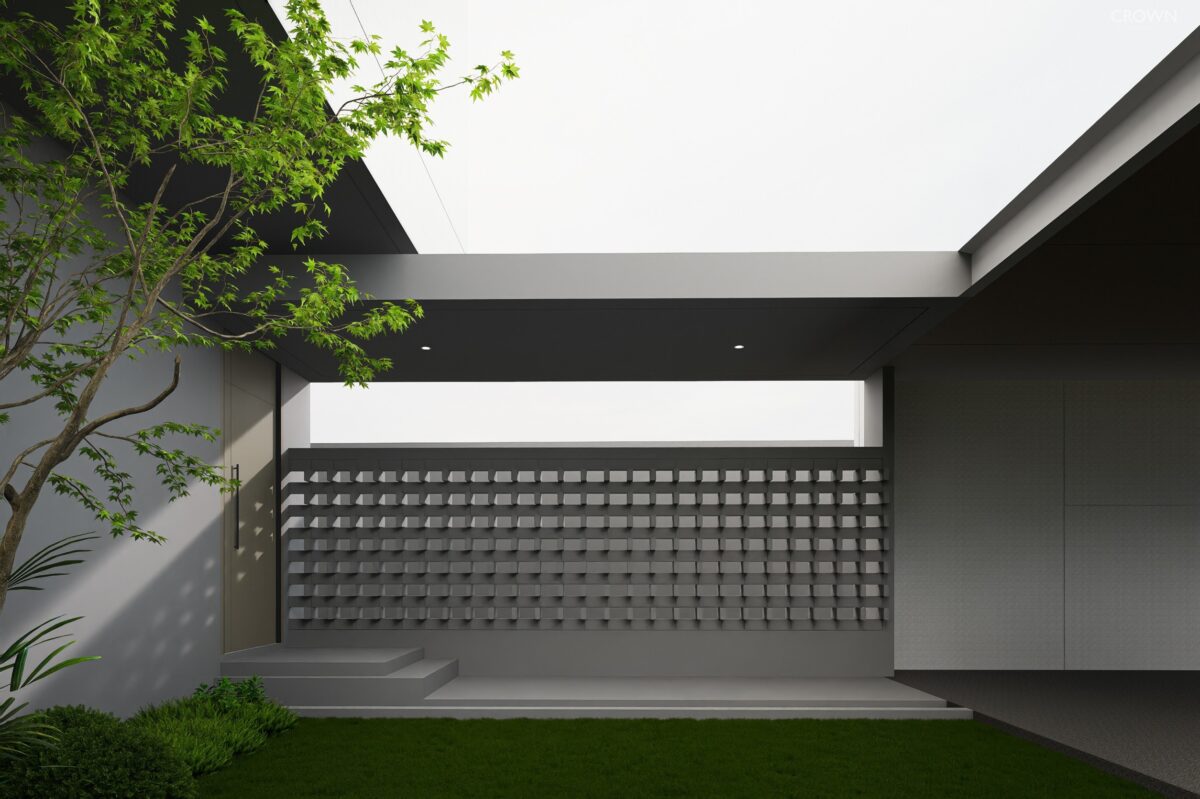
Classical elements such as arches, wall mouldings and framed openings are simplified and refined so that they complement modern construction rather than appear as applied decoration.
Why Traditional Details Are Returning
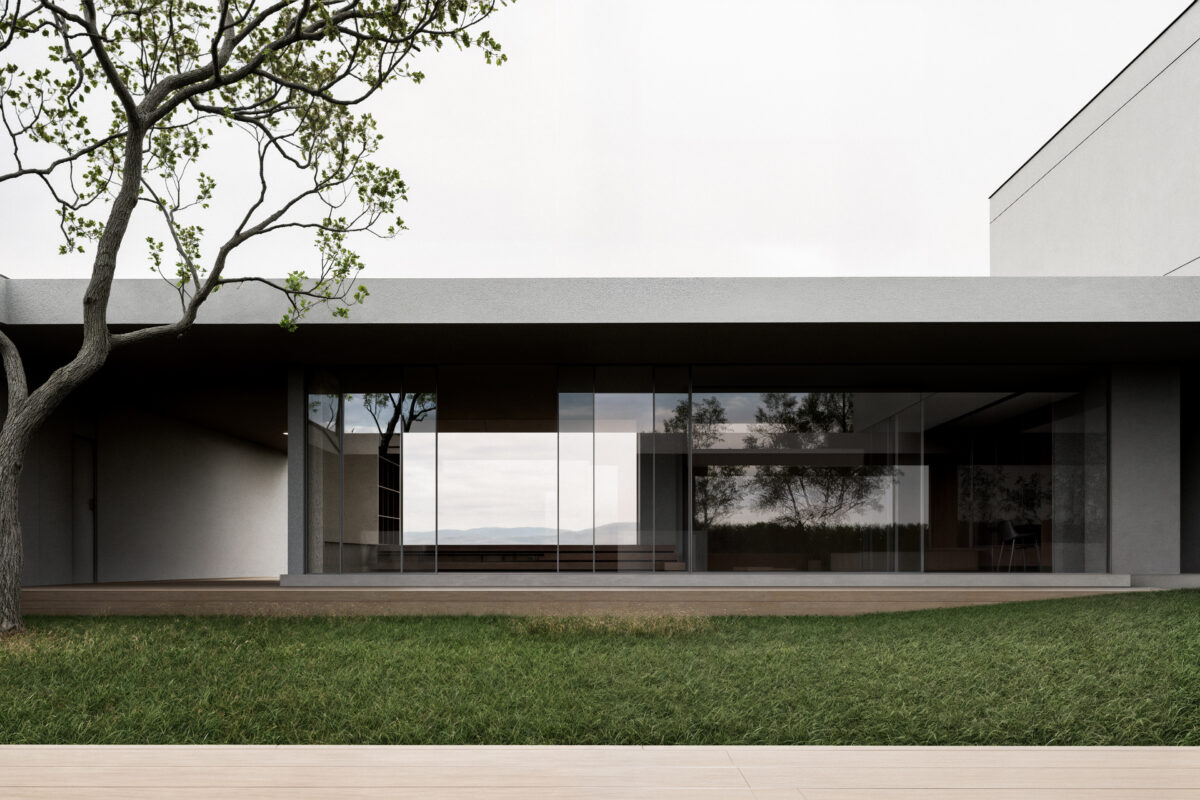
Houzz’s 2026 design predictions identify a renewed interest in traditional details presented in a warmer and less formal way. Rich timber, wall panelling, built-in furniture, arches and crafted details are being combined with contemporary spaces.
Houzz also reports that traditional style increased by five percentage points among surveyed U.S. homeowners undertaking kitchen renovations, indicating renewed appreciation for comfort, craftsmanship and enduring detail.
For a luxury residence in Thailand, this should not mean reproducing European architecture without adaptation. The more valuable approach is to reinterpret proportion, craftsmanship and material quality within the local climate and lifestyle.
Materials That Create Prestige without Heaviness
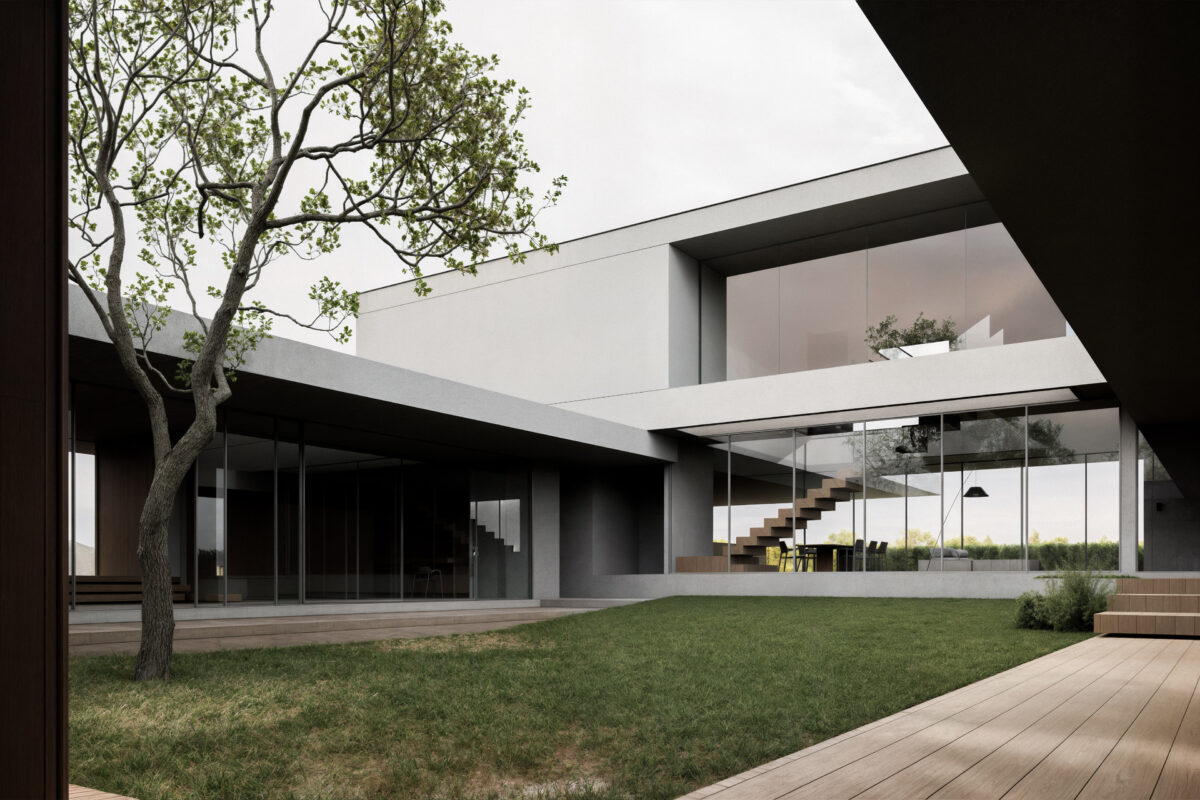
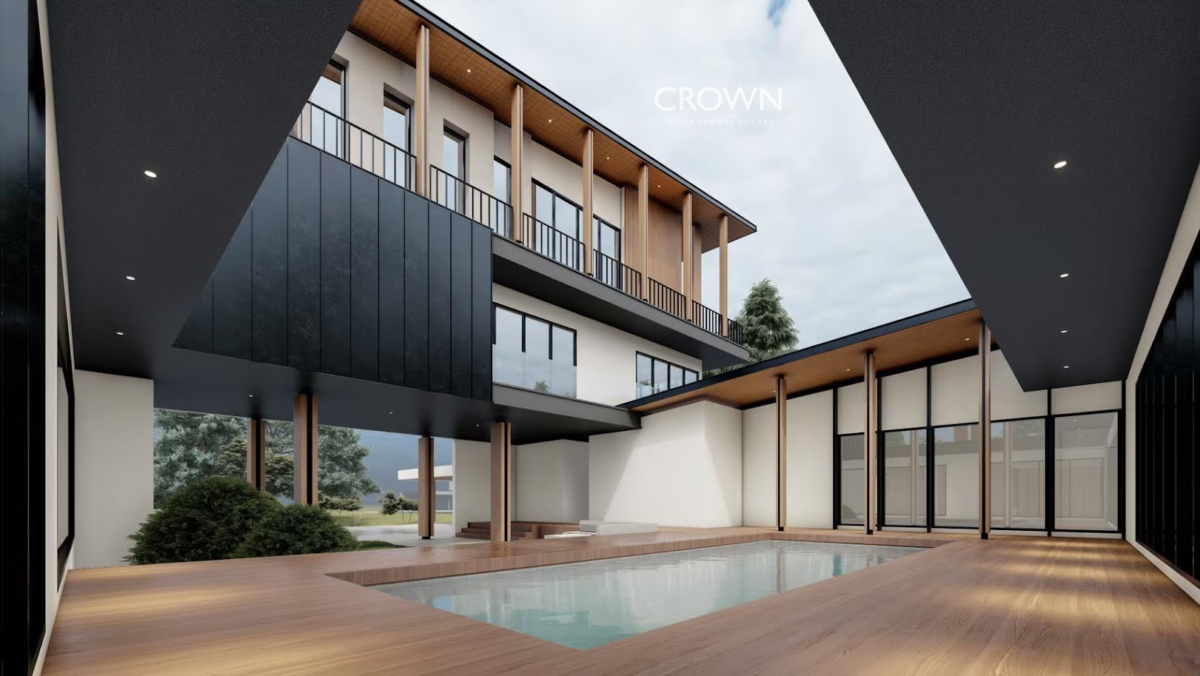
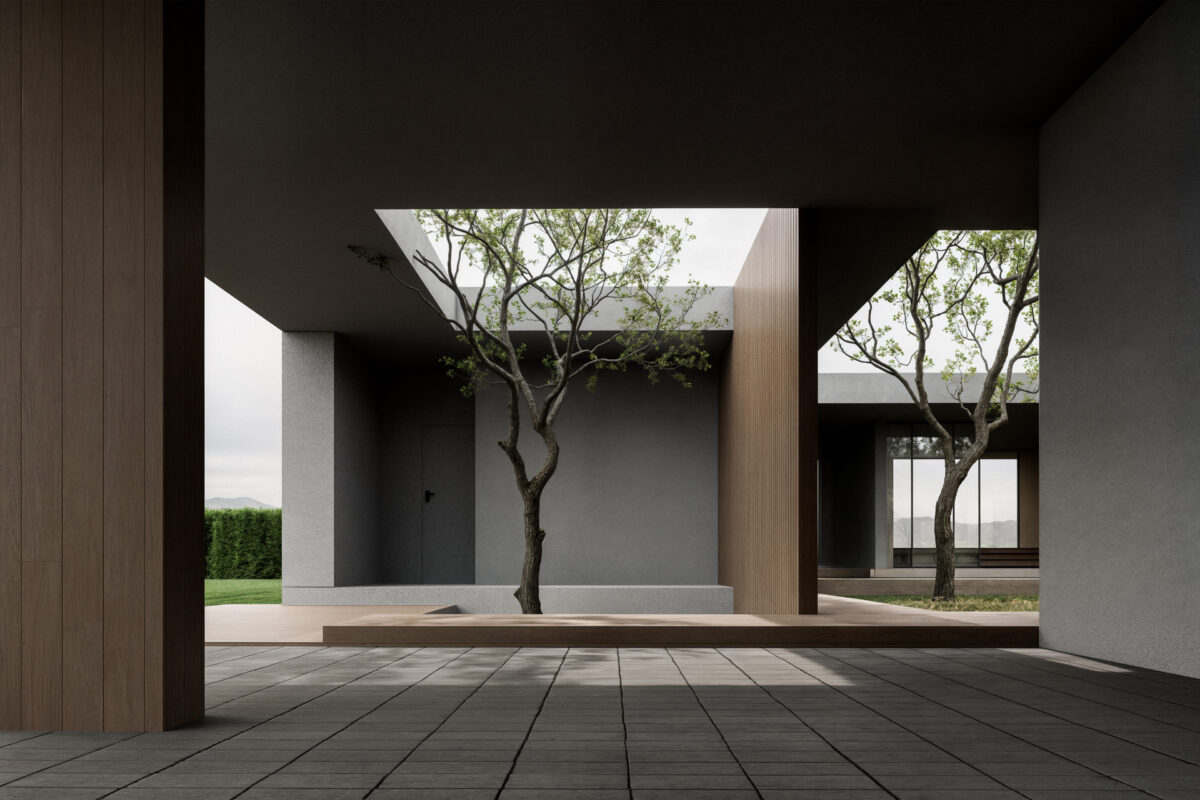
Light-coloured stone, medium-toned timber, dark metal, glass and refined plaster can create a sophisticated atmosphere without making the home feel visually heavy.
An entrance hall may feature carefully laid stone flooring, restrained wall framing and a statement light fixture. Rather than filling every surface with ornamentation, a limited number of well-executed details can create a stronger impression.
Material hierarchy is important. Dramatic stone should be positioned deliberately, with slab selection and pattern alignment coordinated before installation.
Elegant Interiors Designed for Real Life
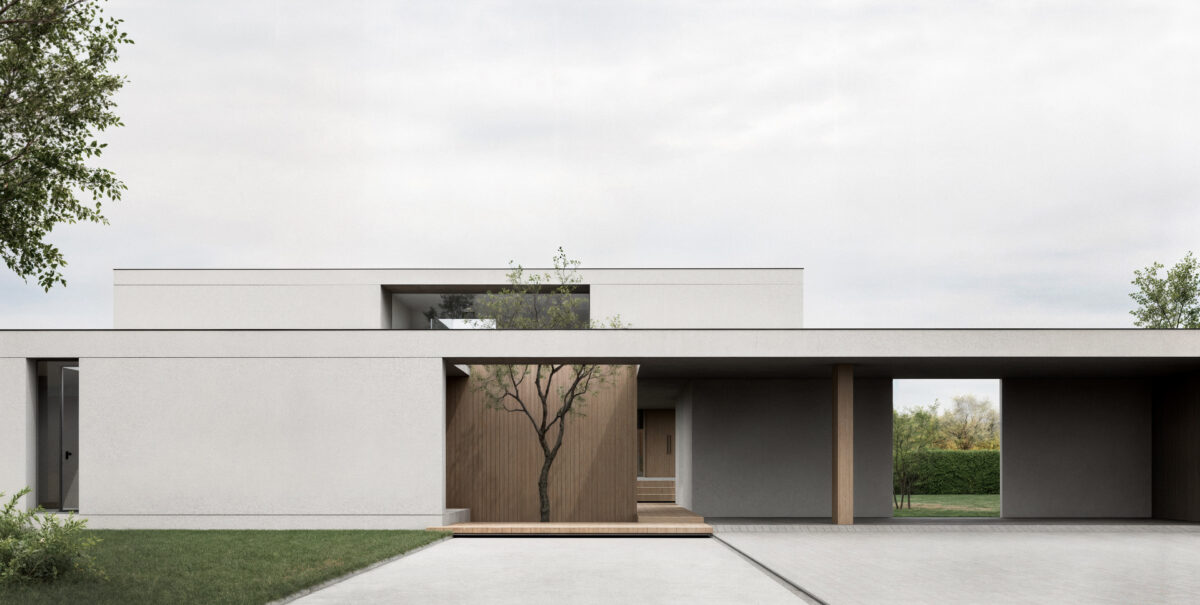
A Modern Classic home should not sacrifice function for appearance. The layout must still respond to entertaining, dining, cooking, storage and family privacy.
Formal reception areas can coexist with a more relaxed family room. A display kitchen may connect elegantly with the dining space while a separate preparation kitchen supports everyday cooking.
Air-conditioning, audiovisual systems, lighting controls and smart-home technology should be integrated discreetly so that modern systems do not interrupt the classical visual language.
Adapting Classical Architecture to Thailand
European-inspired forms must be adjusted for Thailand’s hot and humid climate. Large openings need suitable glazing and shading, while roofs and walls should be designed to reduce heat gain.
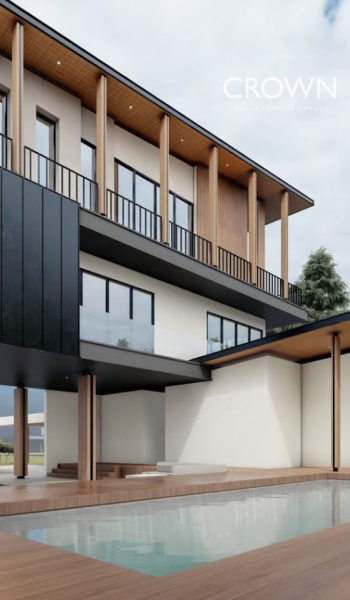
Columns, arcades and balconies can become functional shading elements rather than purely decorative features. This allows the classical language to support the environmental performance of the building.
Elegance beyond Short-Term Trends
Modern Classic is well suited to homeowners seeking a prestigious and composed residence that can remain visually relevant over time while offering modern comfort and technology.
CROWN focuses on proportion, detailing and construction quality to create Modern Classic homes whose elegance comes from architectural balance, materials and craftsmanship—not excessive decoration.