Designing homes that connect with nature for better health and comfort
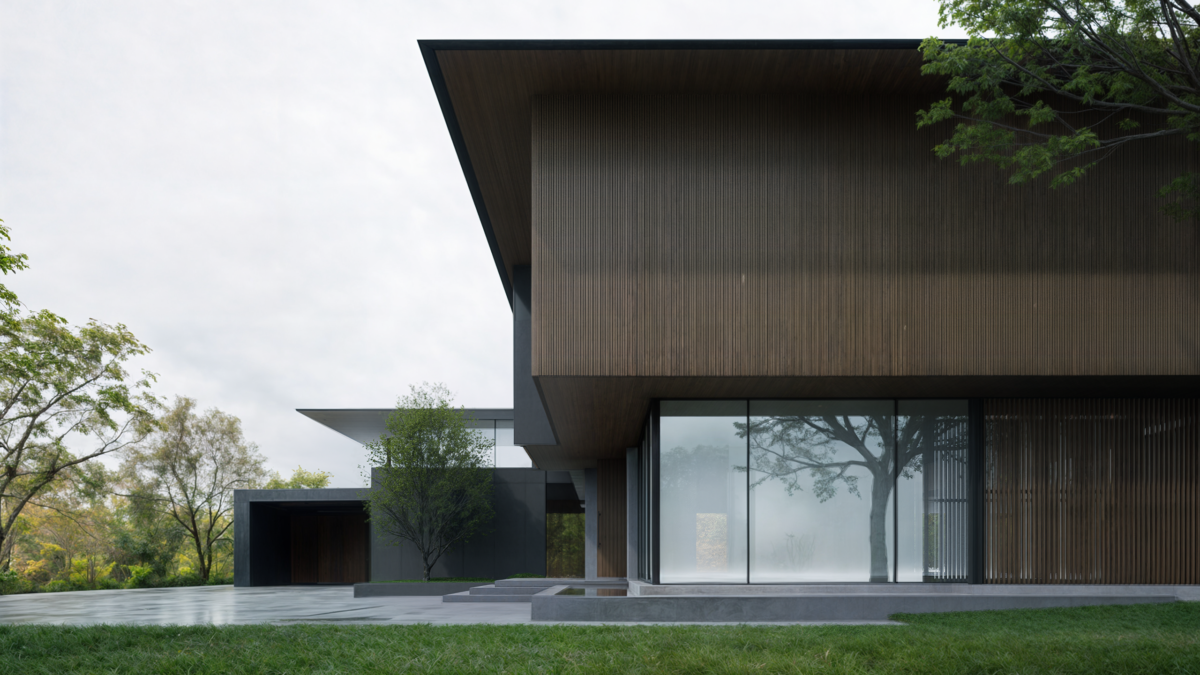
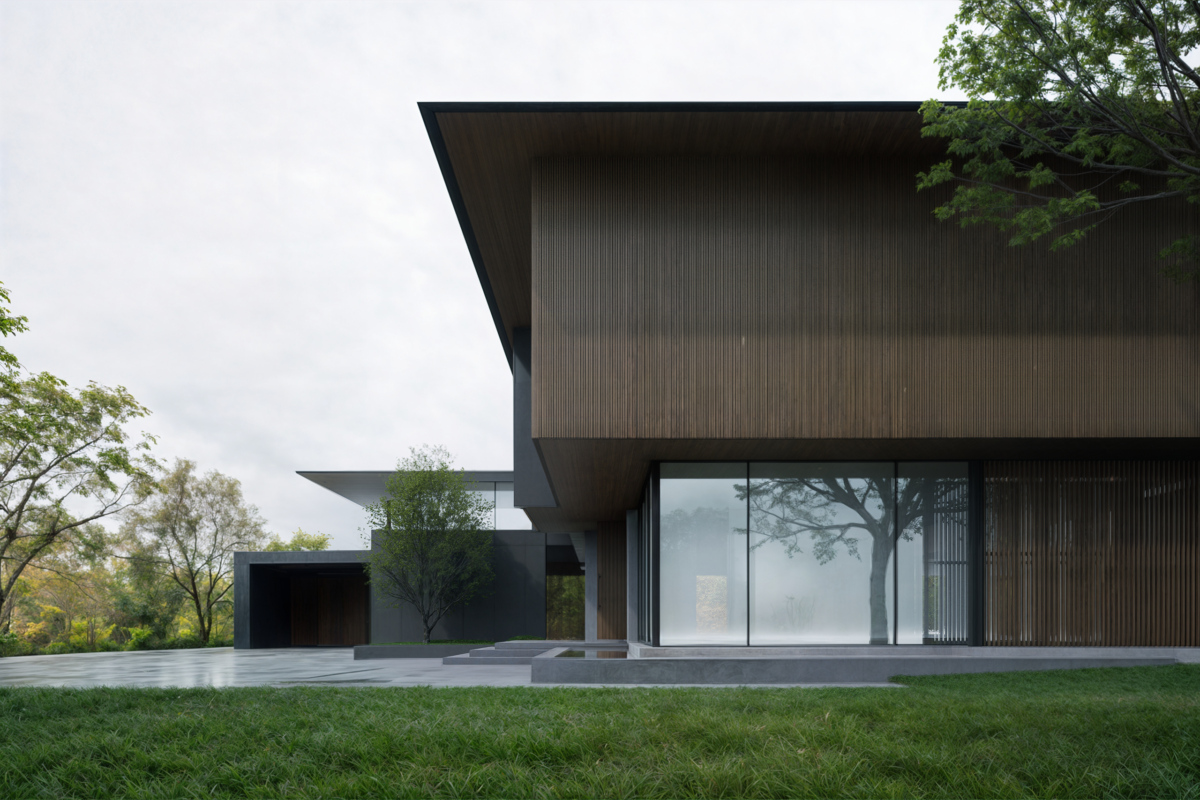
A home should not be only an enclosed space that separates people from nature. It should help people feel relaxed, refreshed, and restored from daily fatigue. Biophilic Design plays an important role in modern residential design because it brings nature into everyday living in a thoughtful and meaningful way.
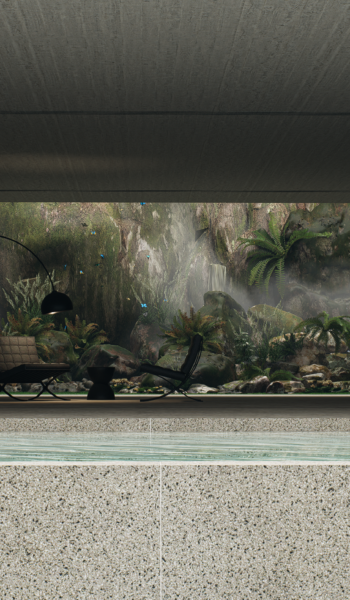
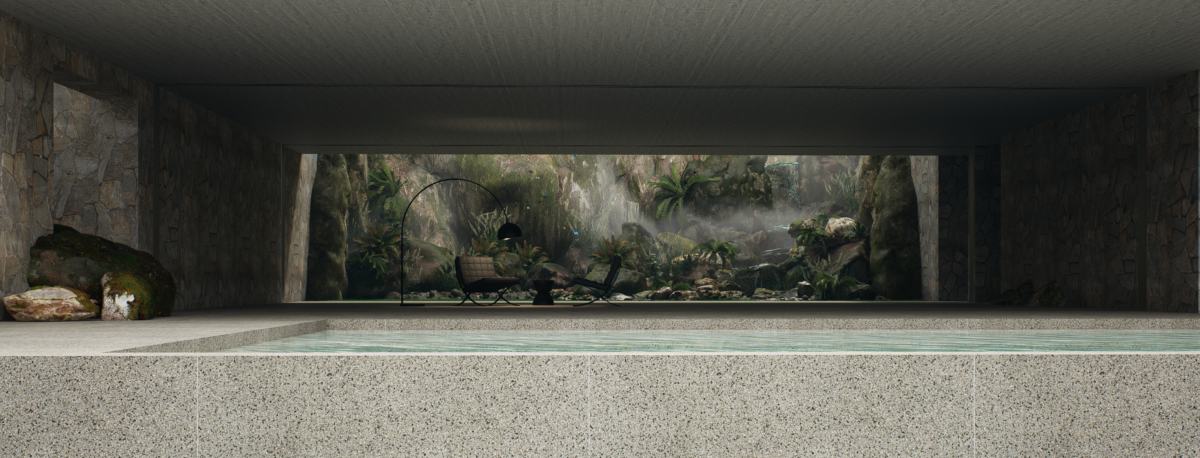
Biophilic Design is not just about placing plants inside the home or creating a beautiful garden. It is about designing the relationship between people, the home, and nature. This can include balanced natural light, views toward greenery, warm materials, better airflow, and spaces that create moments of rest.
When a home is properly connected with nature, the interior atmosphere feels softer and less confined. Resting spaces feel calmer. Work areas support better focus. Family areas feel more relaxed and comfortable.
However, connecting a home with nature in Thailand’s climate requires careful balance. If the home opens too much without control, it may become hot, dusty, or difficult to maintain. Good Biophilic Design must balance openness with protection.
Design details to consider
1. Balanced natural light
Natural light helps make a home feel open and pleasant, but it should not be too harsh or create excessive heat. Openings should be designed to receive light at suitable angles, such as soft morning light or diffused daylight that does not directly affect the main living areas.
Good daylight brings life into the interior without making the space uncomfortable. If light enters without control, it can make the home hot and difficult to use, especially in living rooms, work areas, or bedrooms that require comfort throughout the day.
2. Green spaces that are truly usable
A garden should not be only decorative. It should be placed where residents can see or use it, such as beside the living room, in a courtyard, or near a resting area.
Good greenery should connect with daily life. If green space is connected to frequently used rooms, it can make the home feel calmer and help residents feel closer to nature.
3. Materials and tones that create warmth
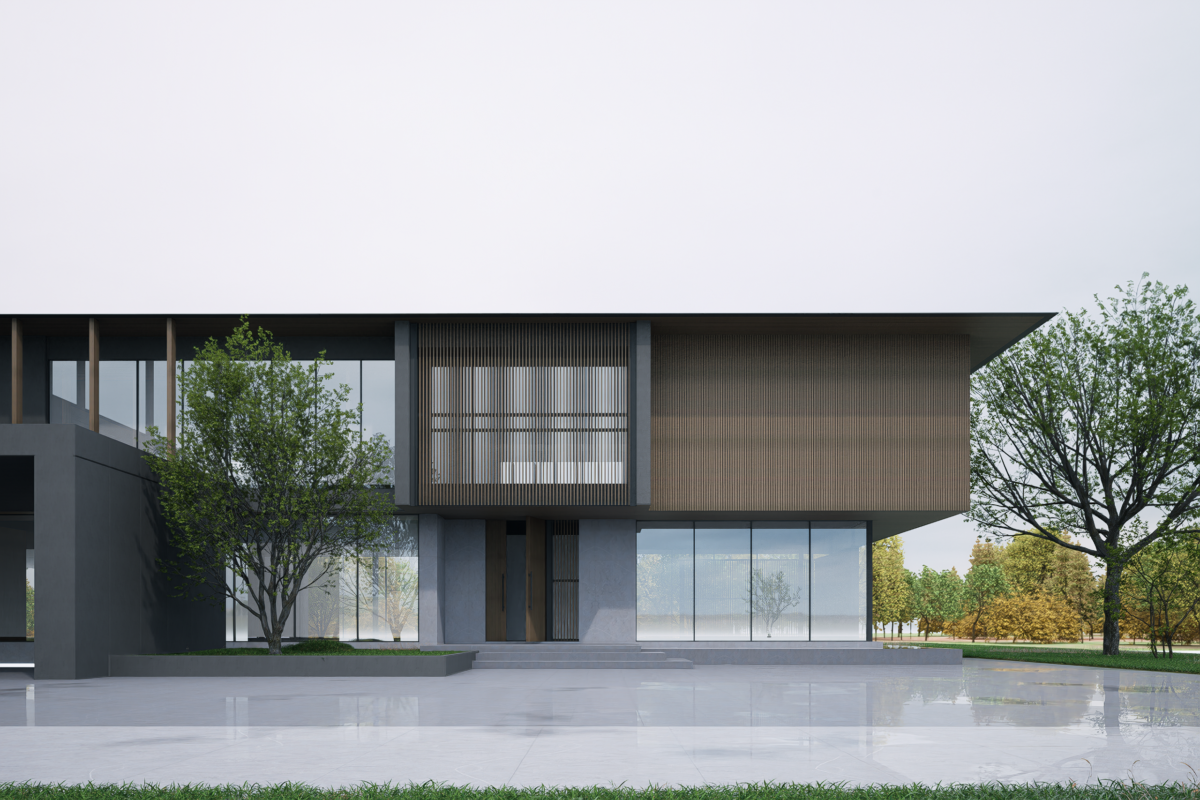
Natural materials or nature-inspired textures such as wood, stone, matte surfaces, or warm color palettes can reduce the hardness of the space and make the home feel more relaxed.
A home that uses only hard, glossy, or overly cool materials may feel distant or less welcoming. Balanced textures and colors help create a more human and comfortable atmosphere.
4. Semi-outdoor spaces
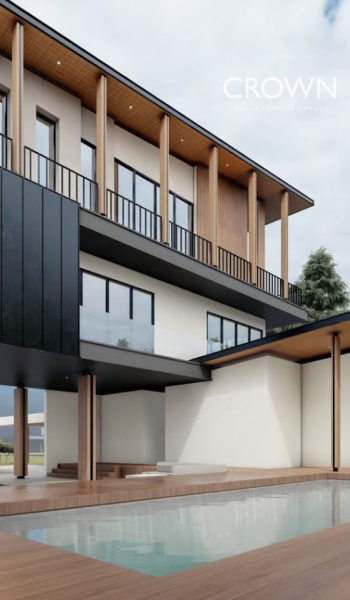
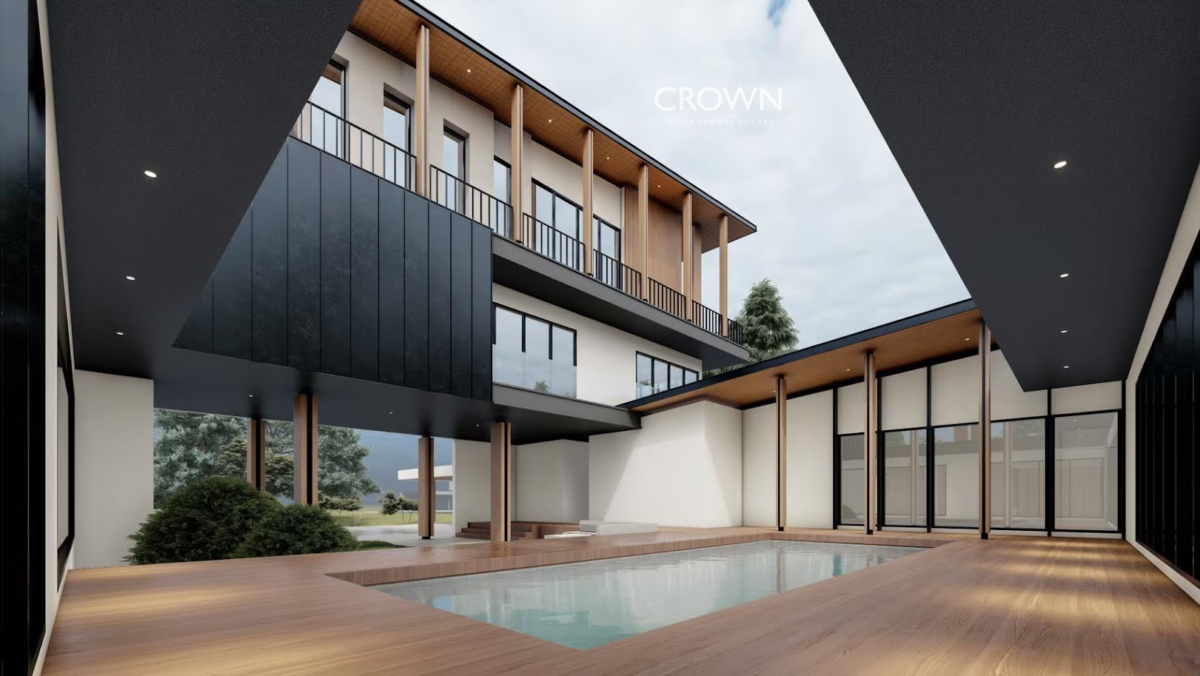
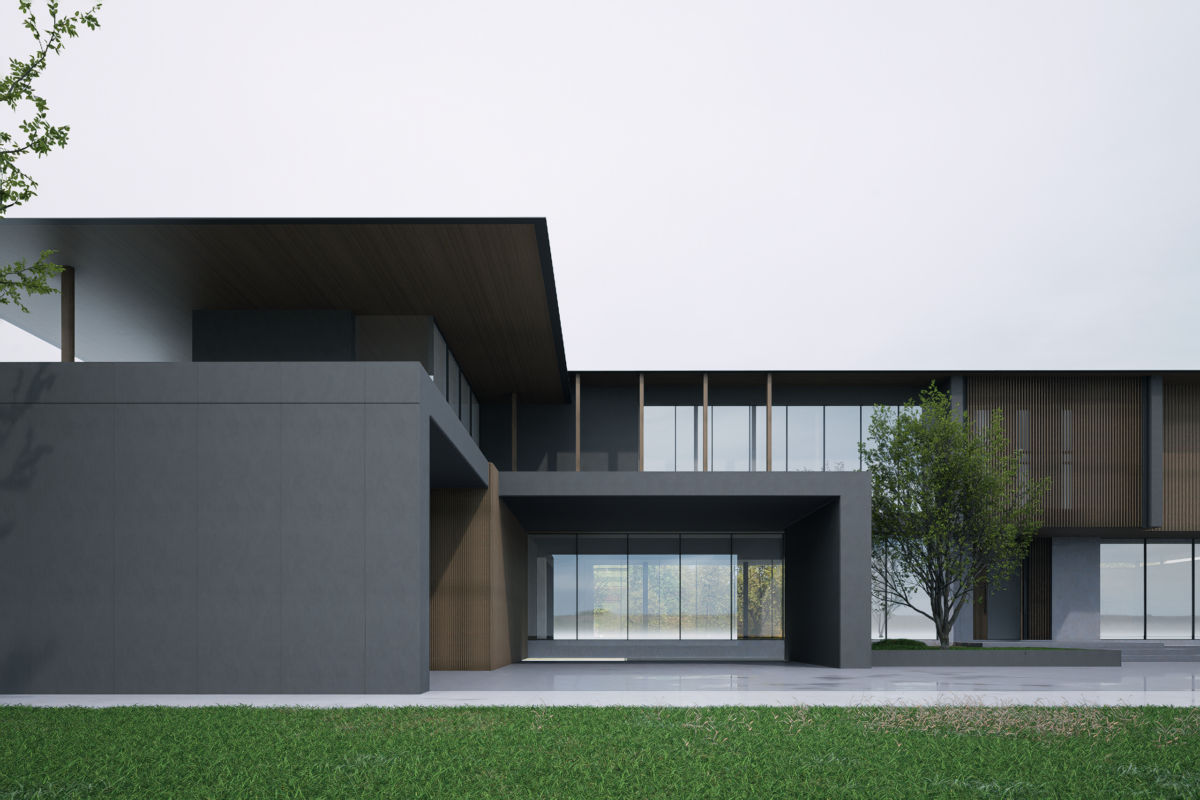
Terraces, balconies, courtyards, or semi-open areas create a softer transition between inside and outside without requiring the entire home to be open. These spaces can also help filter sun, dust, and environmental exposure.
Semi-outdoor spaces make daily living more flexible. They can become resting corners, breezy sitting areas, visual breaks, or transitional zones between rooms without making the home feel too enclosed.
5. Physical and emotional well-being
A home with appropriate light, air, and nature can make daily living feel lighter, especially for people who spend long hours at home, such as children, elderly family members, or people working from home.
Health at home is not only about systems or devices. It is also about atmosphere. A calm, airy home with a thoughtful connection to nature can support better rest and more comfortable daily routines.
Conclusion
Biophilic Design & Health is about using nature to improve quality of life. It does not only make the home more beautiful. It makes the home feel calmer, more livable, and more supportive of physical comfort, emotional well-being, and everyday recovery.