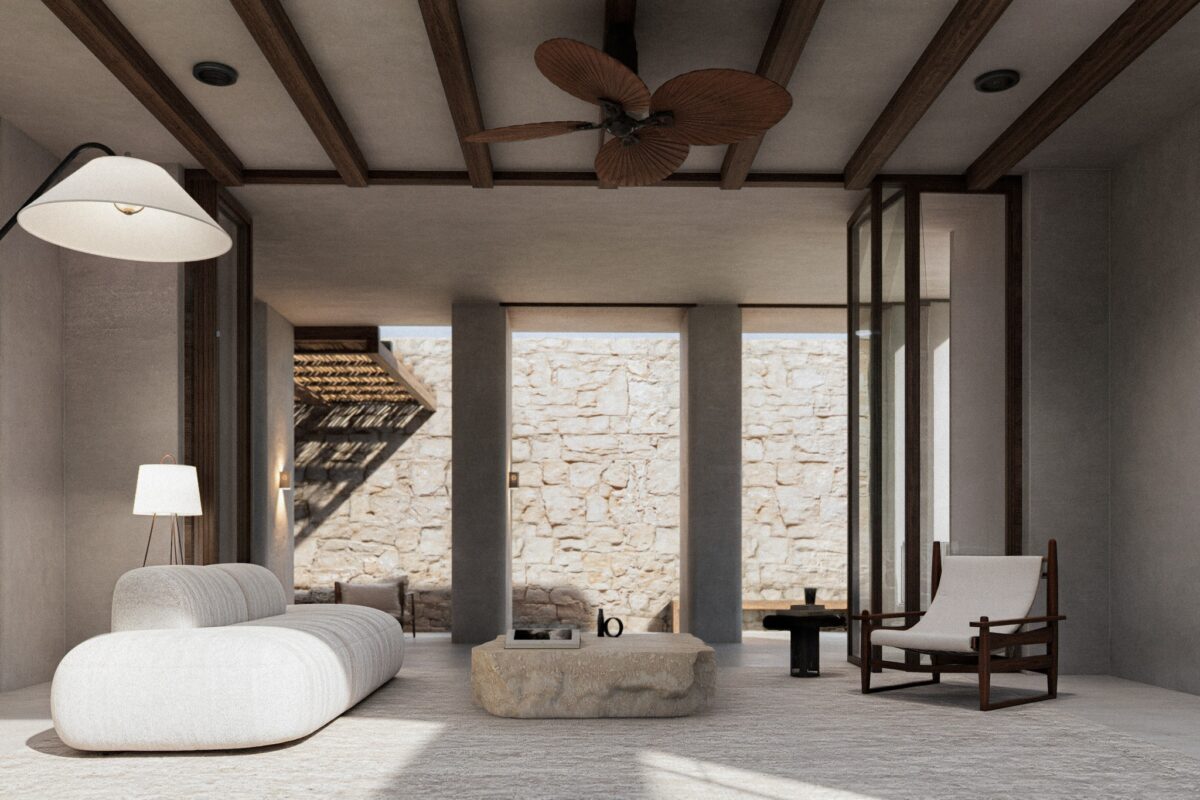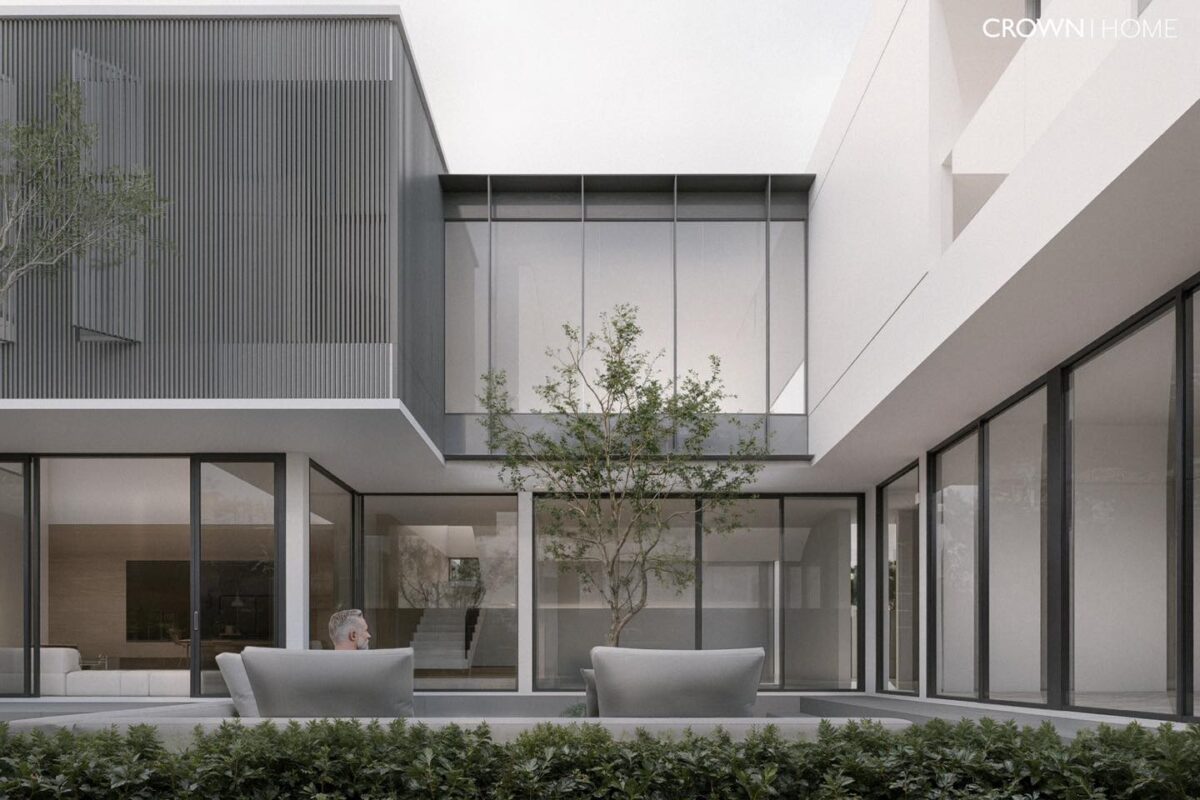
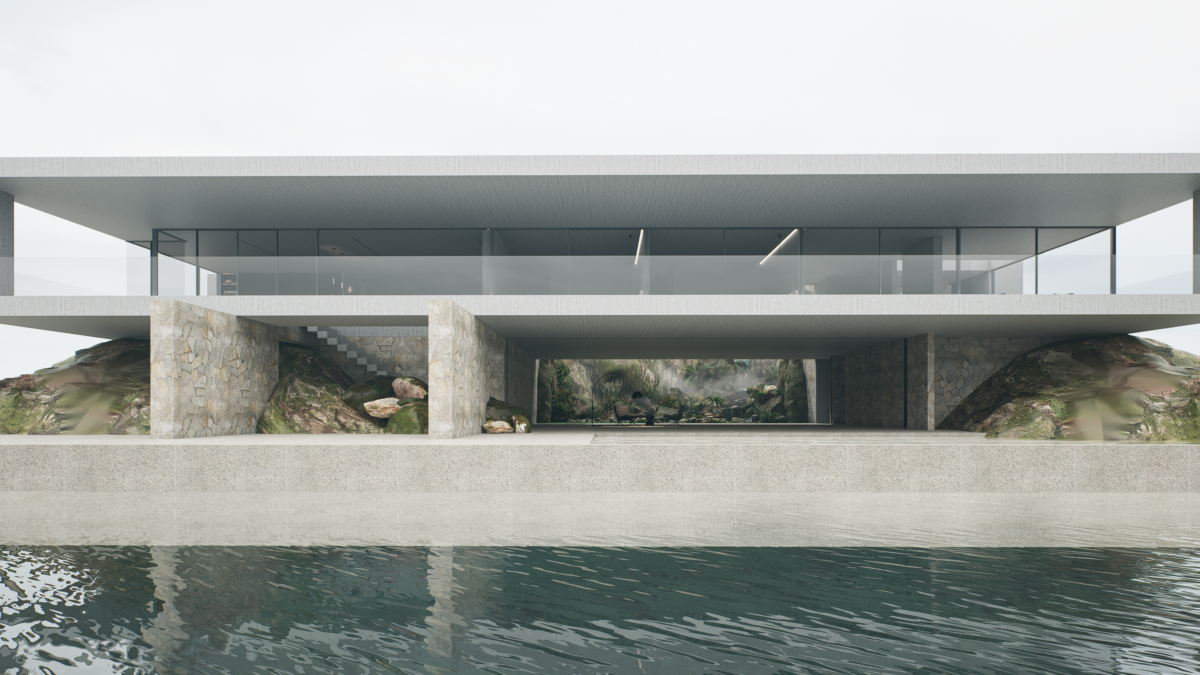
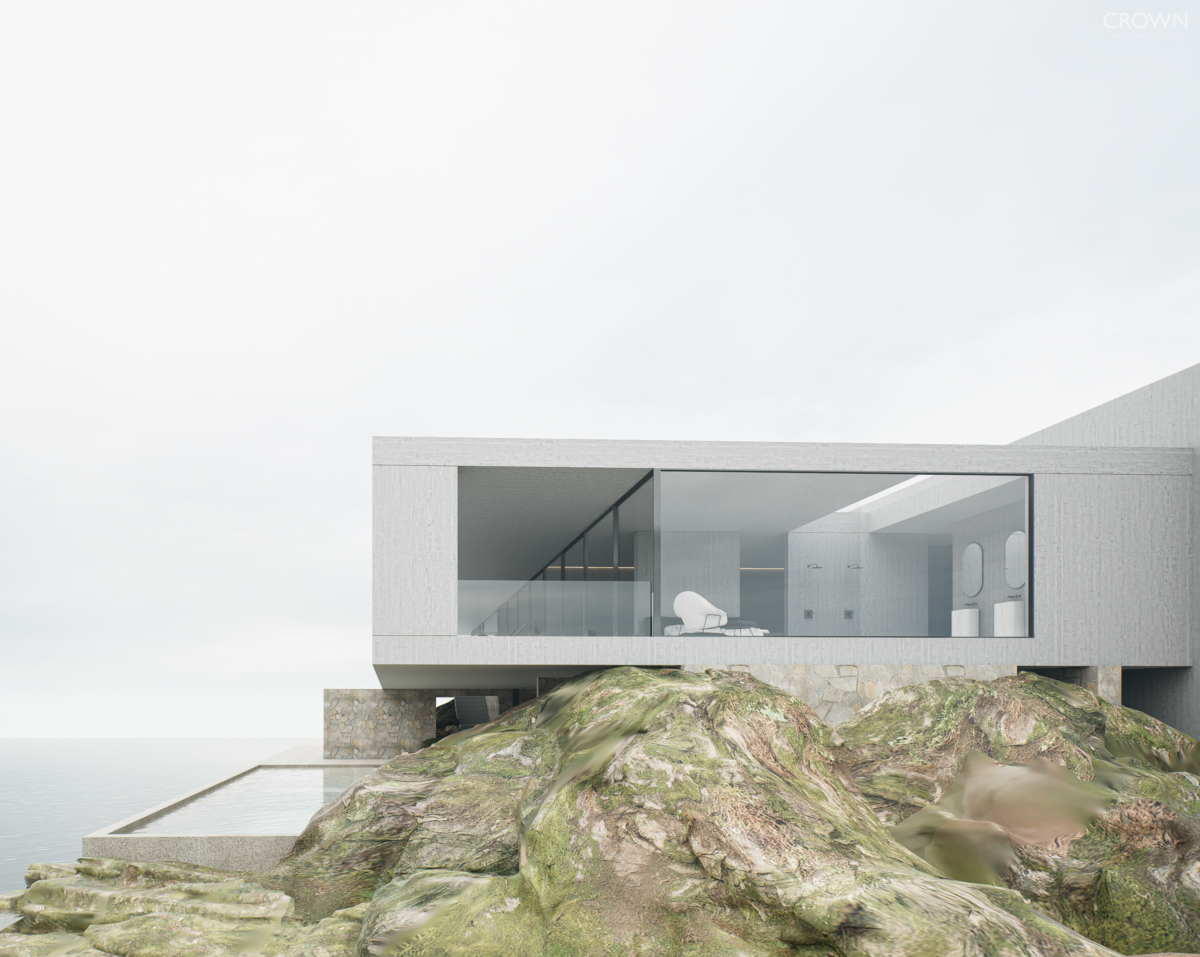
A vacation home in Thailand has to win against humidity and heat before style. If you don’t address these from the beginning, problems show up as musty odours, mould, rapid material deterioration, and outdoor areas that can’t actually be used — turning a beautiful home into a home that constantly needs fixing.
Humidity is the core challenge: let the house “breathe”
A stuffy home isn’t always caused by having too few windows. It’s usually caused by poor airflow and moisture-heavy zones that can’t ventilate fast enough. Vacation homes are even more vulnerable because they’re often occupied only occasionally, left closed for long periods, and humidity builds up easily.
Humidity Note:
The most common problem zones are bathrooms, kitchens, laundry areas, storage rooms, and dead corners behind built-in furniture. Without clear ventilation strategy, issues accumulate quietly over time.
Large openings help only when they can be opened in real life. If rain blows in and you end up keeping everything shut through the wet season, the home becomes stuffy again. That’s why you must design eaves, deep terraces, and rain-facing angles properly from the start.
Musty odour is rarely only about air — it’s also about water-absorbing materials and hard-to-clean areas. Choose materials that support real maintenance from day one.
Control sun and create shade: make outdoor space truly livable
A good vacation home should make outdoor areas usable — not so hot that everyone retreats to air-conditioning. If outdoor space can’t be used, the home immediately loses the core value of “rest and escape.”
Sun & Shade Note:
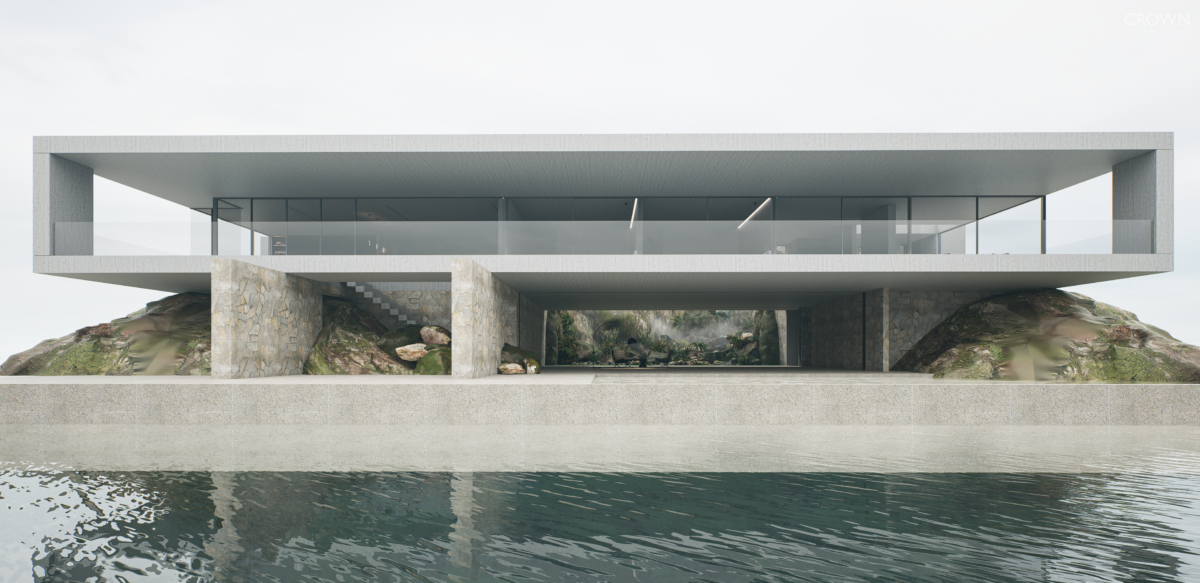
The best shade usually comes from deep terraces and permanent architectural elements, not temporary umbrellas or fabric canopies that rarely get used long-term.
Good sun control should manage light, not kill it. Vacation homes need openness and a natural atmosphere. The right façade and opening design can deliver both comfort and ambience.
Outdoor seating should be positioned to catch breezes and avoid the afternoon sun — because afternoon heat is the main reason outdoor areas get abandoned.
Materials and hardware: choose for climate and real maintenance
The right materials for a vacation home are those that resist sun, rain, and humidity — and can be maintained without excessive upkeep.
Material Note:
Some materials look beautiful but come with heavy maintenance demands. If the home isn’t lived in every day, that burden becomes even heavier because issues won’t be addressed quickly.
Hardware is often overlooked — hinges, sliding tracks, handles. If they aren’t suited to humidity, they start sticking and rusting early, and the living experience drops across the entire home even if the main finishes still look good.
Exterior materials should have a clear 1–3–5 year maintenance plan to control long-term wear and cost.
Design for “closing the house for periods” without damage
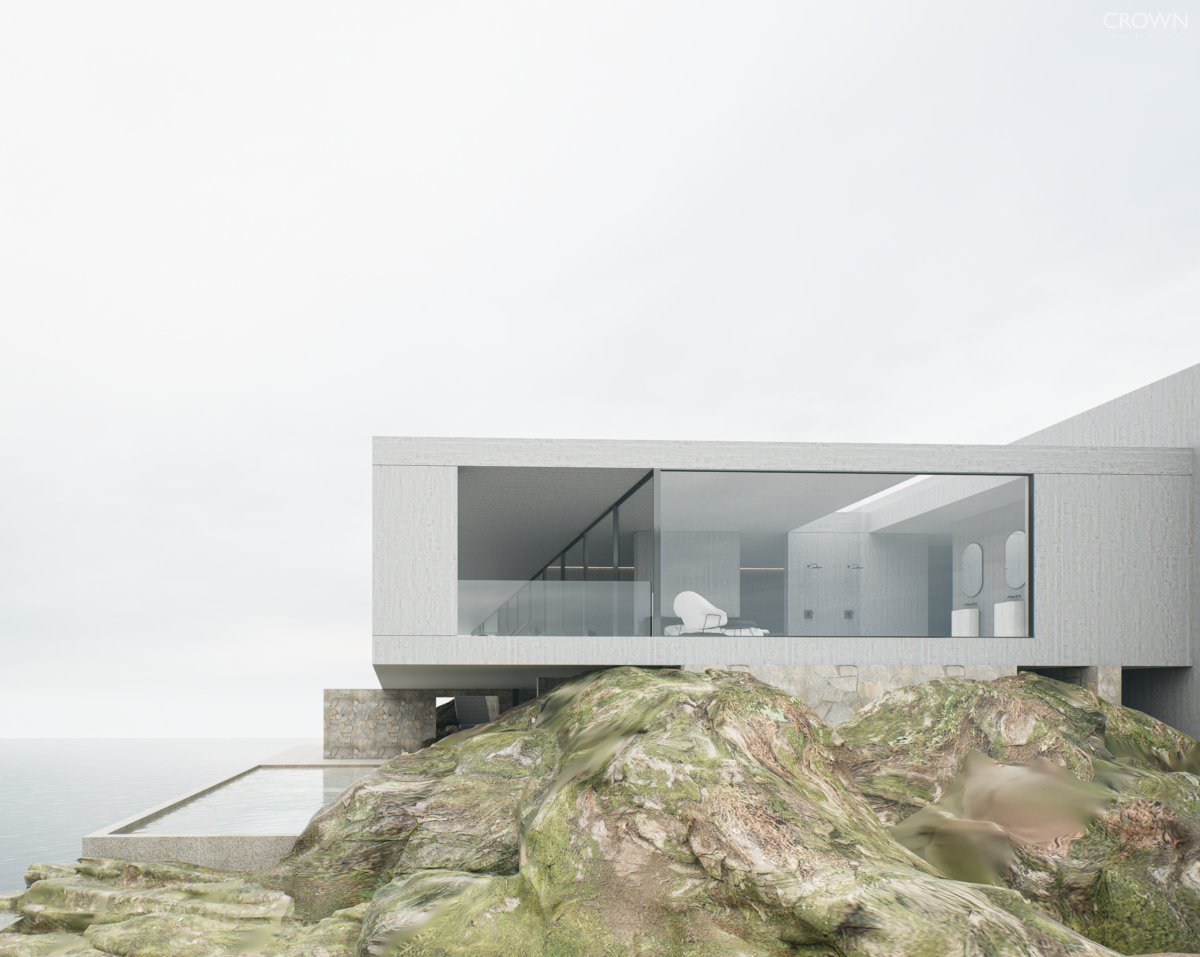
Many vacation homes aren’t occupied daily, so the home must be designed to “rest” safely when no one is there — through ventilation strategy, system check points, and proper drainage around the property.
Idle House Note:
When a home is closed for long periods, the main risks are musty odours in sealed rooms and moisture build-up in dead corners. A ventilation approach suited to “closed-house periods” is essential.
Drainage around the property is critical — standing water is the starting point for humidity, algae, and mosquitoes, which immediately affect the experience when you return.
Maintenance access should be designed in. Otherwise, every fix turns into demolition and escalating costs.