on
Coolness That Begins With Design Not Energy.
When a house keeps getting hotter than you expected
In Thailand, many people start with the same question: “How powerful should the air-conditioning be?”It sounds logical, but it’s actually the wrong first question.Our climate doesn’t just get hot for a few weeks a year. It’s intense sun, day after day, that slowly heats up roofs, walls, and closed rooms. If the house is not designed to reduce that heat from the beginning, you end up paying for it later with higher energy use, hot corners, and a house that never really feels calm in the afternoon
At CROWN, we like to start earlier in the story.
Instead of asking, “How do we cool this house down?”
we ask, “How can we stop this house from getting so hot in the first place?”
That means looking at:
- How the house is placed on the land
- Which rooms face the harshest sun
- Where we can use shade and mass to our advantage
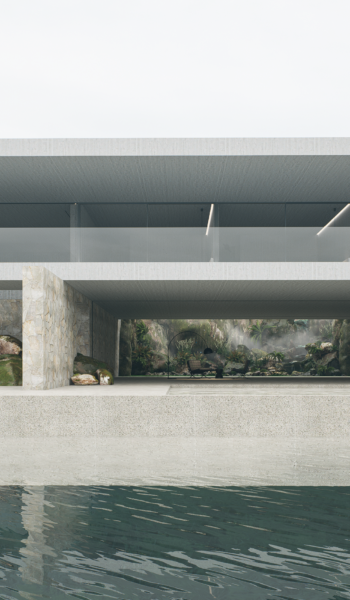
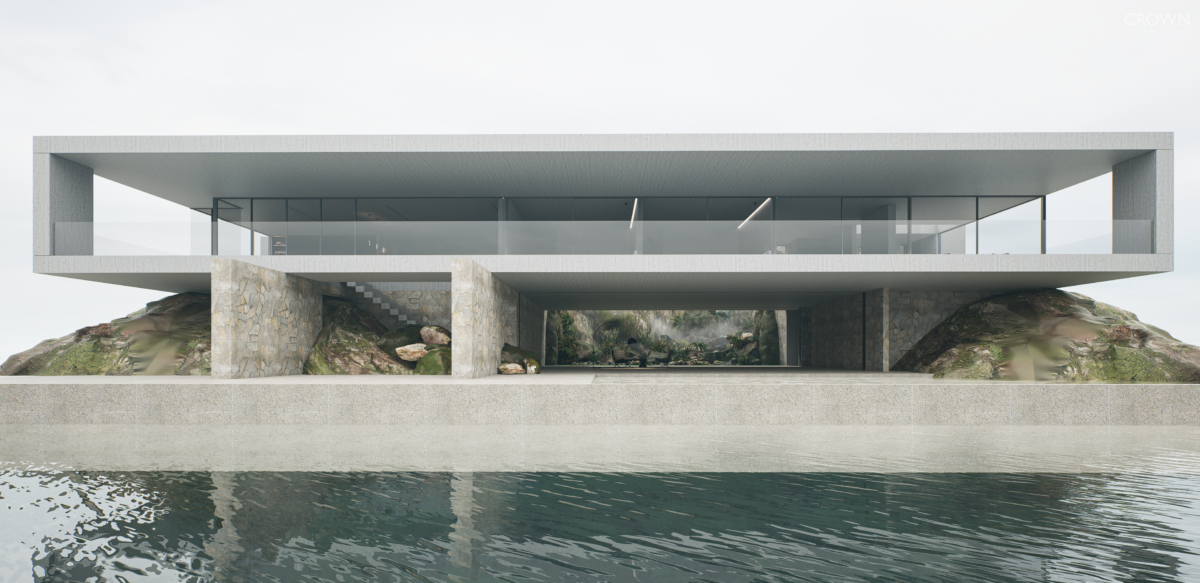
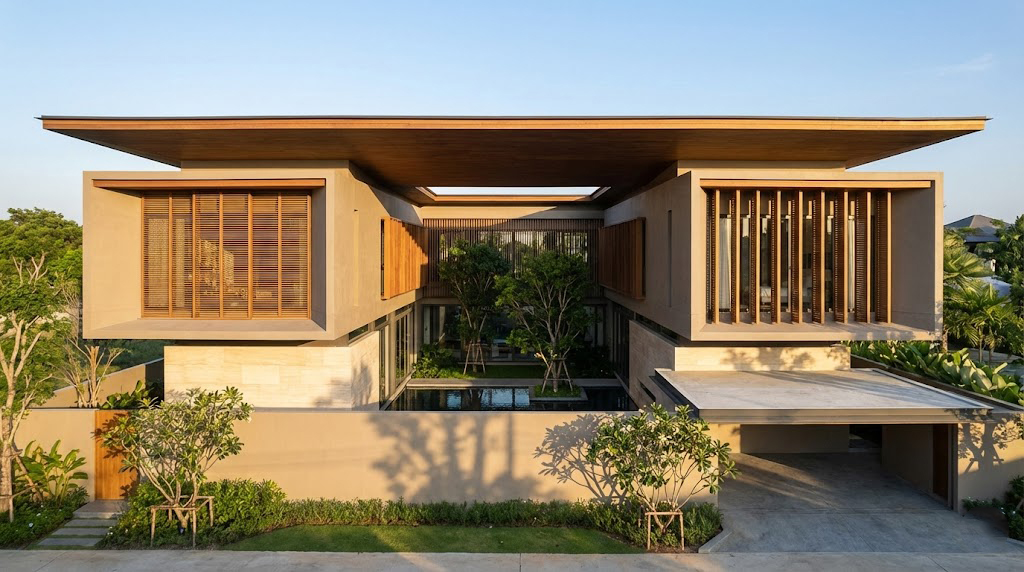
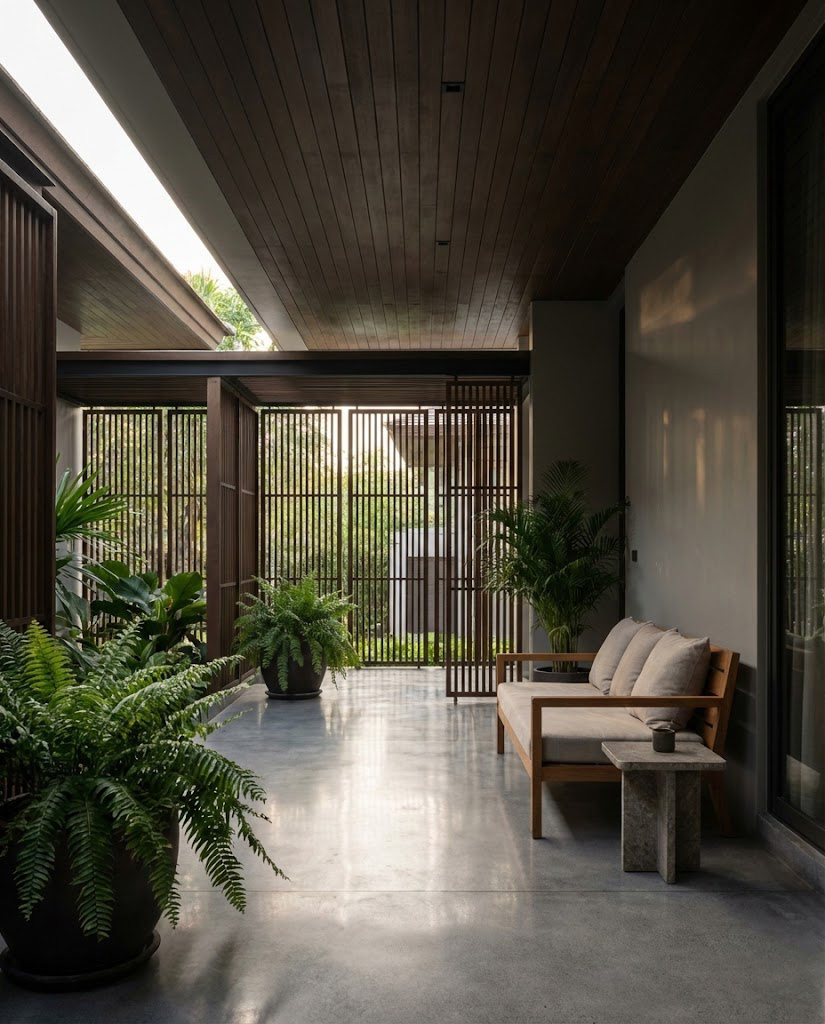
We try to protect the house from the strongest western sun by how we shape the plan, not just by adding more machines. Deep eaves, overhangs, verandas, and shaded walkways are used as simple, beautiful “shields” that quietly cut down heat.
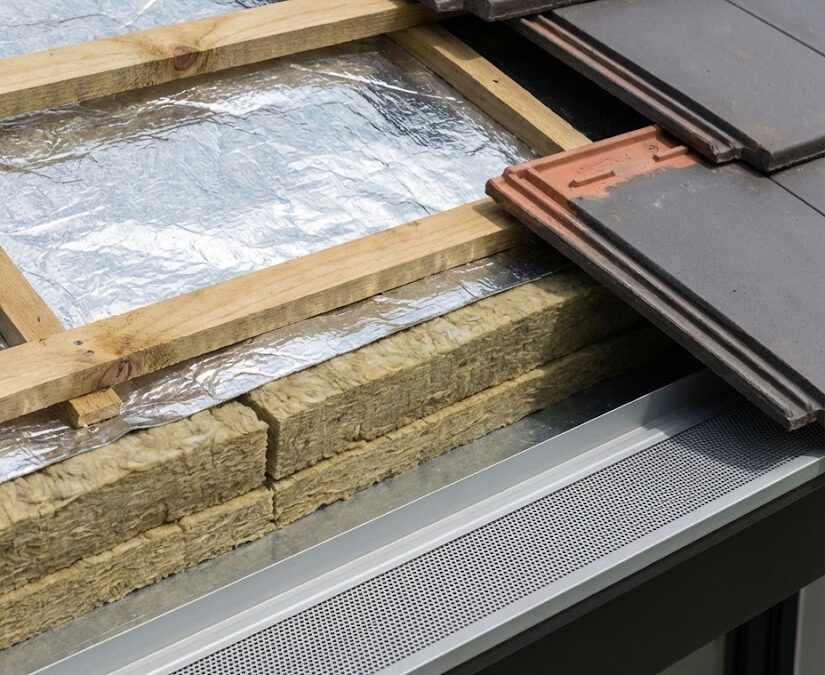
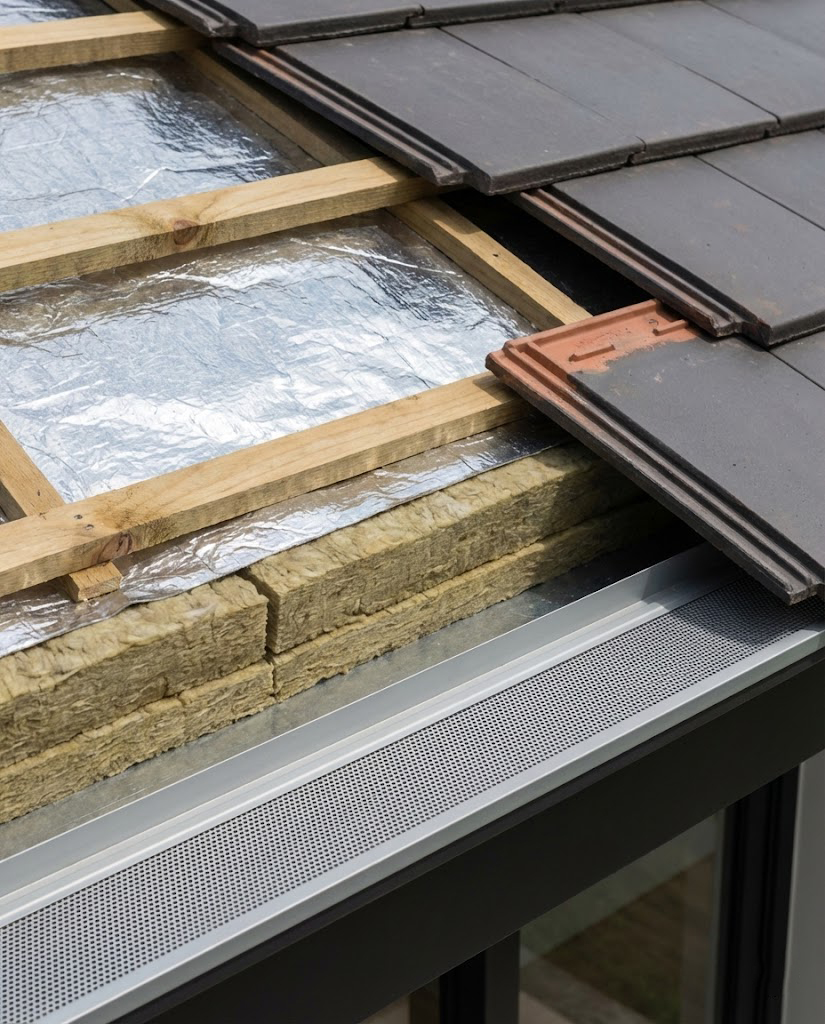
For the roof, we think in terms of a system, not just a material.
- A surface that reflects or sheds heat
- Insulation that actually covers the area properly
- Ventilation under the roof so hot air can escape
That way, the house doesn’t have to fight against stored heat all day.
What this looks like in an actual home
Here’s how architectural heat protection shows up in real decisions:
- Positioning living spaces
Wherever the site allows, we place living rooms and family areas in directions that get softer light, like north or east.
The harsher west side is used more for storage, stairs, or solid walls with fewer windows, so your main rooms don’t take the full hit of the afternoon sun. - Shading windows properly
On hot façades, we don’t say “no windows,” but we do control size, position, and glass type.
We add shading elements—overhangs, fins, or screens—that block direct sun while still letting you enjoy views. - Using verandas and covered terraces
Outdoor spaces like verandas and covered decks act as “cooling buffers.”
They shade the glass line, soften the heat, and allow the air to cool slightly before it touches the inside of the house. - Designing the roof as a shield
We might use a lighter-coloured or reflective roof, add continuous insulation, and design roof spaces that can “breathe” rather than trap hot air.
This helps bedrooms upstairs feel more comfortable, without having to drop the thermostat too low.
All of this means the air-conditioning can be smaller, quieter, and used more as a fine-tuning tool—not as a permanent emergency.
When heat is handled by the design itself, coolness becomes part of the house’s character, not something you constantly have to “force” with machines.
- Rooms don’t feel like ovens at 3 pm
- The upstairs doesn’t always feel worse than the downstairs
- The house recovers more quickly after a very hot day
- You get a home that feels calm in the background, not one that makes you constantly adjust the temperature and complain about certain rooms.
What CROWN can do to help
If you’re planning a home in Thailand and you’re worried about heat (which is totally understandable), we can help you start from the right place.
We can:
- Look at your land and sun directions together
- Suggest how to place your main rooms to avoid the worst heat
- Design shading, verandas, and roof systems that reduce heat gain before it enters the house