Build systems that keep long-term costs predictable
A vacation home always carries “hidden” operating costs—pool maintenance, exterior material wear, electricity for cooling, and moisture-related damage. If you design the right systems from the start, long-term expenses become steadier and far easier to forecast.
Split the budget into 3 categories to manage risk
1) Building Envelope (Envelope):
Roof, walls, heat insulation, moisture control, waterproofin
2) Systems (MEP):
Electrical, plumbing, air-conditioning, ventilation, pool system
3) Exterior Works:
Deck, garden, fence, exterior lighting, drainage system
Budget Note:
- When the envelope and MEP systems are done well, you reduce electricity usage and moisture problems—often the most expensive long-term repair cost.
- Spending heavily on décor before fixing the envelope tends to create a home that looks good but doesn’t live well—and costs more to correct later.
- A clear budget split makes it easier to decide what is “essential” vs. what “adds value,” without destabilizing the core systems.
Easy to repair” is the real foundation of saving
Many homes aren’t expensive because the materials are premium—they’re expensive because the systems are hard to fix. Repairs that require tearing up the garden, removing decking, or breaking walls can repeat throughout the home’s entire lifespan.
Maintenance Note:
- Inspection and service points should be accessible: main shut-off valves, traps/odor seals, inspection chambers, drain lines, and plant room service points.
- As-built drawings and clearly labeled key points reduce repair time and prevent cascading damage.
- Choosing materials and components that are readily available locally reduces lead time for replacements—critical for out-of-town homes or true vacation properties.
Lower the power bill: reduce heat before adding more AC
Energy savings should start by reducing heat entering the home—not by simply increasing air-conditioner capacity.
Energy Note:
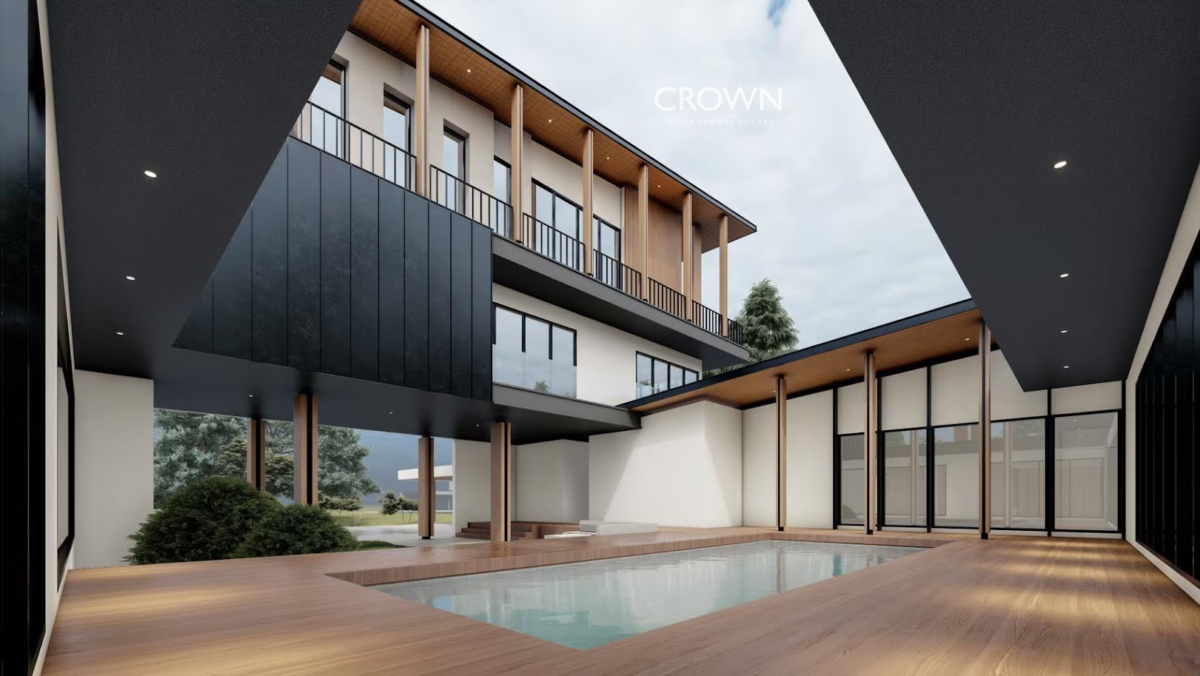
- Deep eaves, façade shading, and insulation are often more cost-effective than upsizing AC, because they reduce load all day long.
- Zoning matters—especially for part-time occupancy. Only cool the areas you actually use instead of running the whole house.
- Timers (pool pump, exterior lights) keep the home ready to use without waste—and reduce “forgot to turn it off” costs.
If you rent it out, design it to be hard to misuse
A rental home faces unpredictable use, so it should be durable and “mistake-tolerant”—used incorrectly without failing easily.
Rental Note:
- Easy-clean, durable finishes reduce damage costs and shorten turnaround time between guests.
- A lockable private storage room helps reduce management risk.
- A short, clear home manual (pool system, power shut-off, water shut-off) prevents high-cost mistakes.
Pre-build checklist for a vacation home
- Is the building envelope truly designed for heat and moisture control?
- Are maintenance/service points easy to access?
- How serious is the site drainage design around the house?
- Is there a monthly/quarterly maintenance plan from day one?